sales@tenpointpcba.com






Quality Control Management
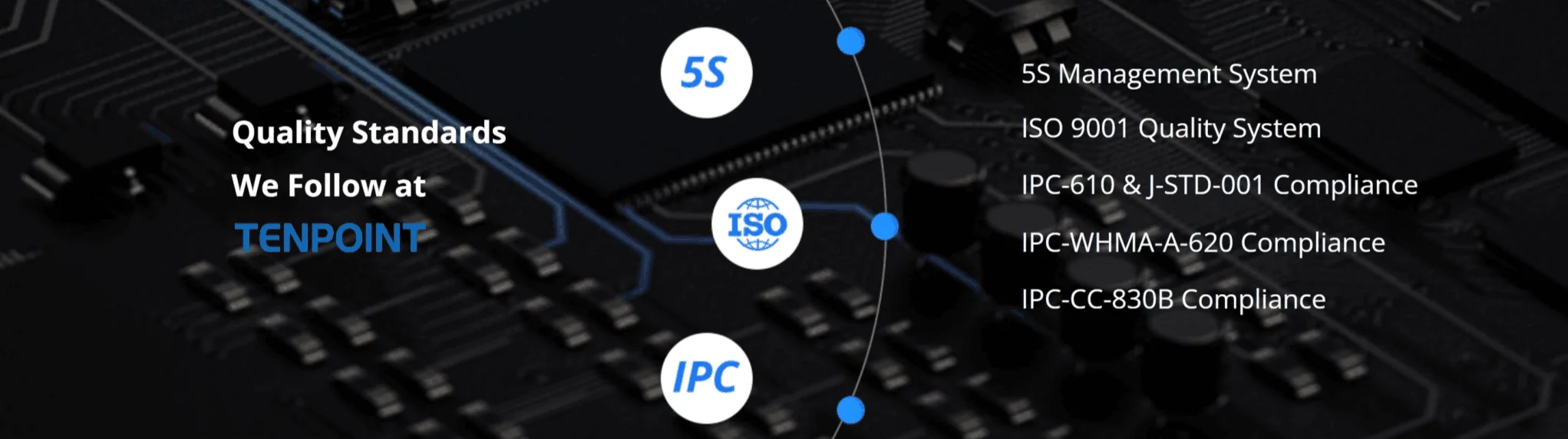
At Tenpoint, all the boards will go through the most stringent tests. We adopt the testing and inspecting equipments used in the industry. We have strict quality control management. Our Smart production-flow overview and MES station control allow full traceability.

Step 1
Evaluation
Step 2
Improvement
Step 3
Material & Components Purchasing
Step 4
Incoming Material Checking & Inspection
Step 5
Before doing SMT
Step 6
Complete & Strict Quality Inspection
Step 7
PCBA physical samples
Step 8
Firmware programming and testing
Step 9
Washing
Step 10
Perform 100% Visual Inspection

Evaluation
Fully understand the terminal application of customer projects and carefully review the information and documents provided by customers.
Improvement
1)Through comprehensive engineering evaluation, we will provide necessary improvement suggestions and improve design together with customers.
2) Our improvement mainly includes: based on our enough production experience, optimizing the design is conducive to production; components selection, Alternative options, and pointing out obvious errors.
3) But before we do any change or updating ,we must get customers' approval.

Material & Components Purchasing
Strictly control the material purchase process according to customer's specified or confirmed BOM list. Sourcing materials from proper and reliable channels.
Incoming Material Checking & Inspection
Can you believe that our incoming materials are firstly inspected by the project responsible engineer?
Only after engineer's confirmation, incoming materials can be transferred to the central warehouse for IQC reinspection.
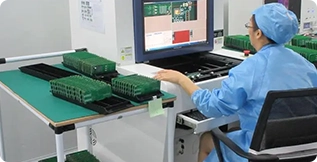
Before doing SMT
The production engineers will strictly verify the BOM and physical material. Especially in this link, which is the last opportunity to discover any small errors in the customer's design.We will promptly communicate with the customer and resolve them as soon as possible to ensure that the entire batch of goods is done correctly.
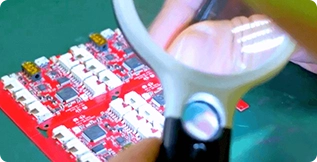
Complete & Strict Quality Inspection
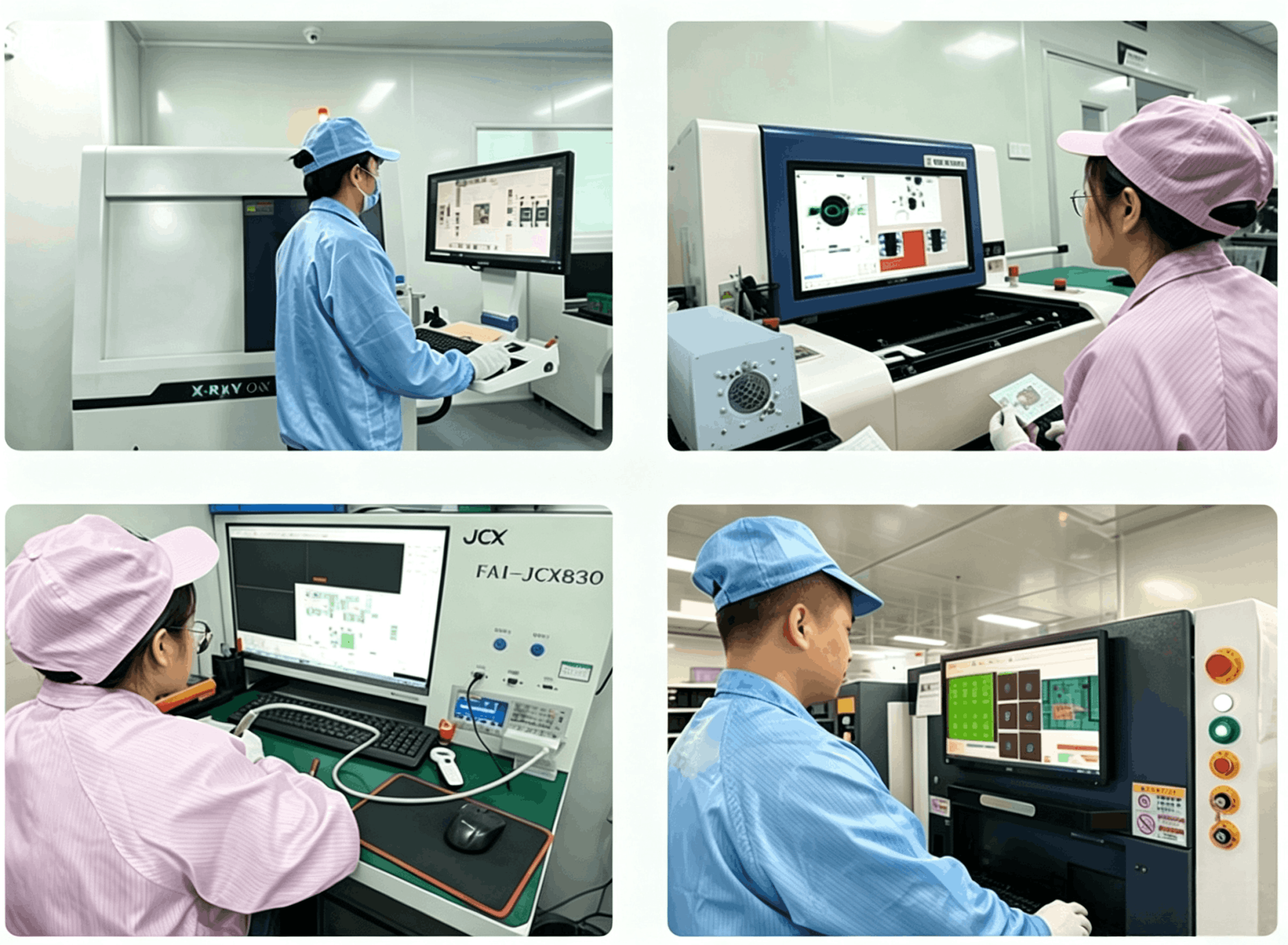
3D SPI and 3D AOI testing will be conducted 100% for each board and datas will be recorded in our system.
For BGA,QFN parts, we will use X-RAY to inspect the parts .
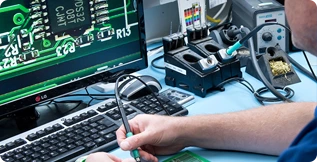
PCBA physical samples
It is necessary to make the first PCBA physical samples.
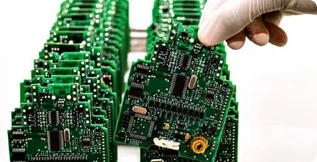
Firmware programming and testing
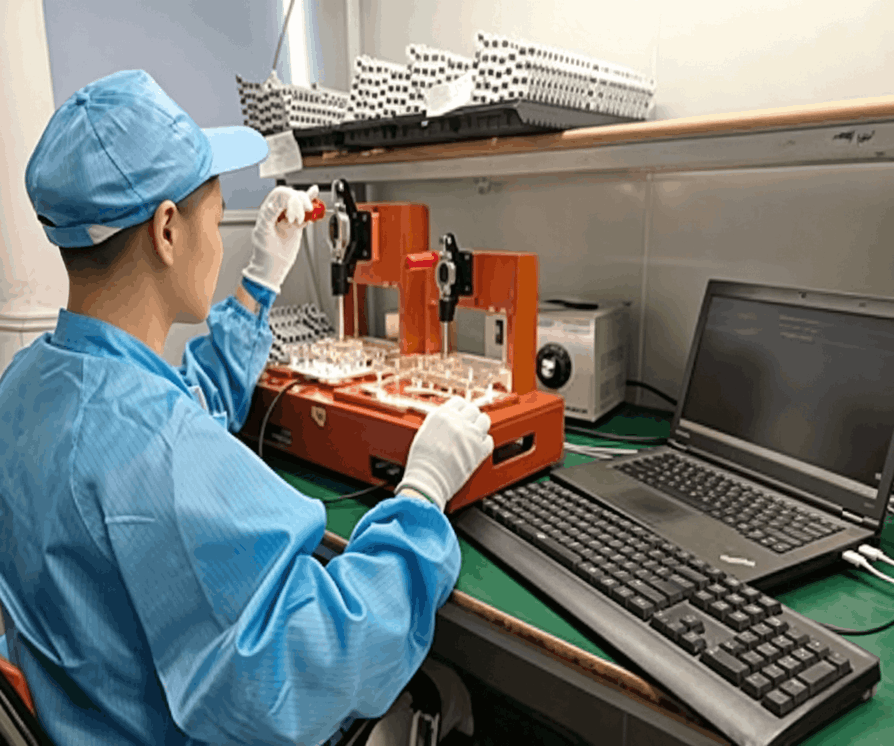
We usually expect customers to provide software and testing instruction.We charge only for necessary labor cost.
1) We can make any types of testing jigs and devices.
2) We are possible to buy any kind of programmer.
3) Preparing and adjusting.

Washing
We have ultrasonic cleaning line to clean every board to ensure product quality at our clients' request.
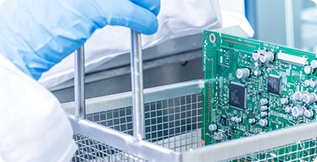
Perform 100% Visual Inspection
Perform 100% manual visual inspection instead of random checking before packaging.
Testing
PCBA testing is a critical quality control process that validates the functionality, reliability, and manufacturability of assembled circuit boards. It involves a series of electrical, functional, and environmental checks to detect defects such as short circuits, open connections, component failures, or firmware issues before mass production.
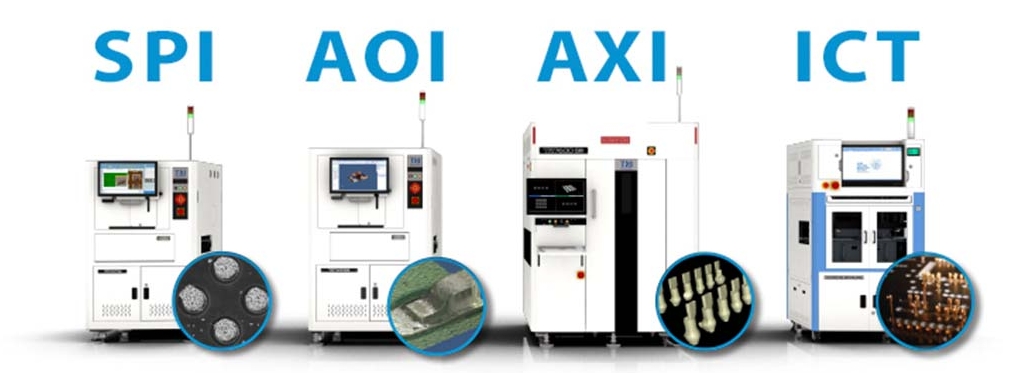
Our strengths in PCBA Testing——Prevents Costly Failures
- Visual inspection: general quality check.
- FAI: full quality check applied to the first PCB to pass through all stages of production.
- X-ray Inspection: checks for BGAs, QFN and bare circuit boards.
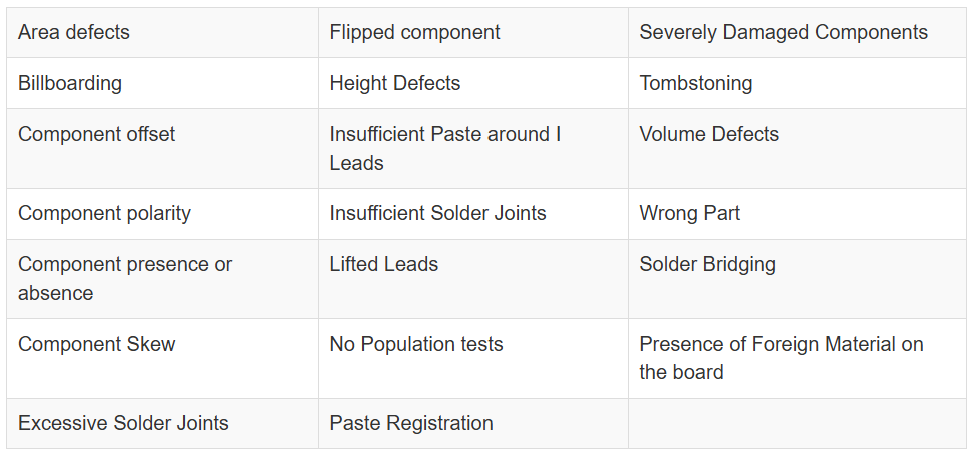
- AOI Testing: checks for solder paste, 0201 components, missing components and polarity.
- 3D AOI Testing: checks for missing and misplaced SMT components in three dimensions.
- 3D SPI Testing: measures the precise volume of solder paste for SMT assembly.
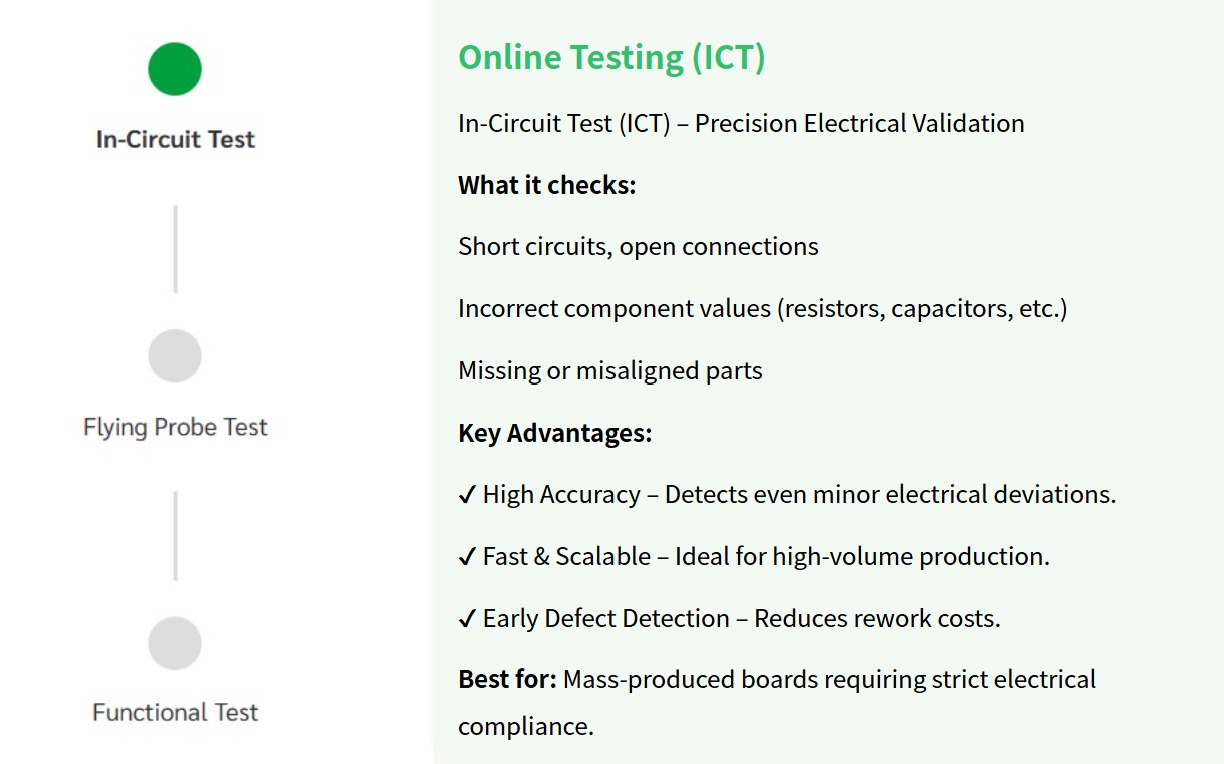
- ICT (In-Circuit Test): Precision Electrical Validation
- Functional test: (Following your test procedures)
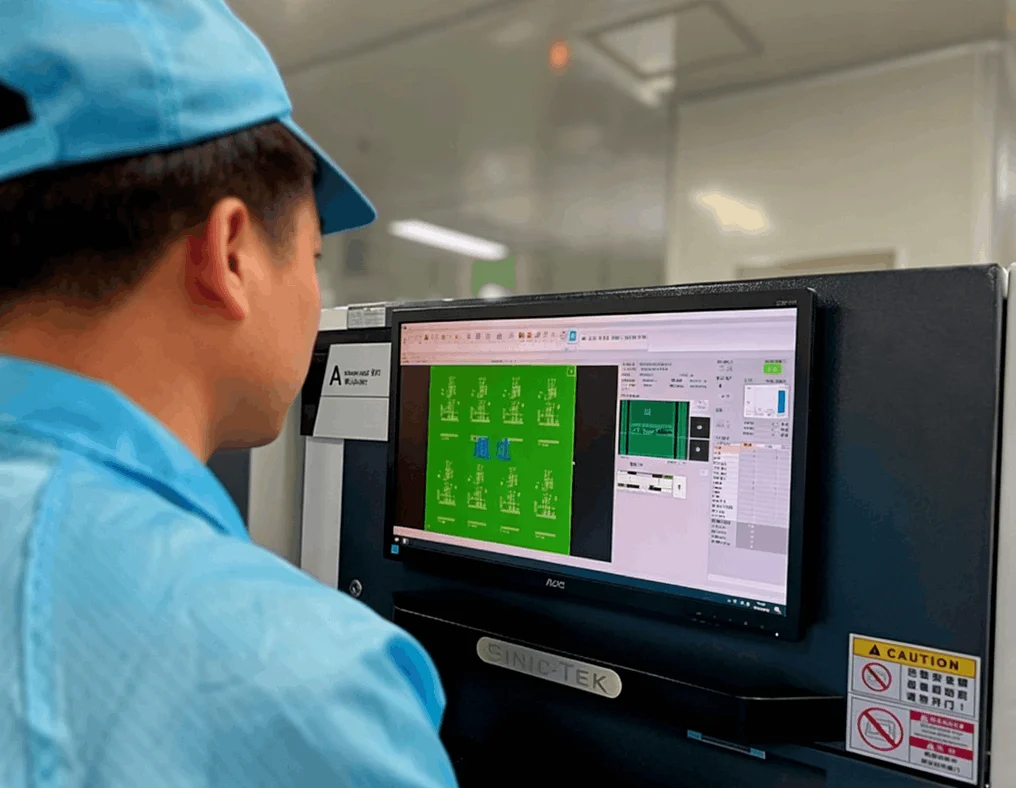
Advantages of SPI (Solder Paste Inspection) – Precision Solder Control
SPI is the first line of defense in SMT production, ensuring perfect solder paste deposition before components are placed. By catching printing defects early, it significantly improves first-pass yield and reduces costly post-reflow repairs.
What it checks:
Solder paste volume, height, and coverage
Misprints, bridging, or insufficient deposition
EStencil alignment accuracy
Key Advantages:
✔ Prevents SMT Defects Early – Catches paste issues before reflow, reducing rework.
✔ 3D Measurement Technology – Accurately analyzes paste thickness and shape.
✔ Process Optimization – Provides data to fine-tune stencil design and printing parameters.
✔ High-Speed Inspection – Scans boards in seconds without slowing production.
Best for: High-density PCB assemblies (0201/01005 components, fine-pitch BGAs) High-reliability applications where solder joint quality is critical
X-Ray Inspection – Hidden Defect Detection
What it checks:
X-Ray Inspection – Hidden Defect Detection
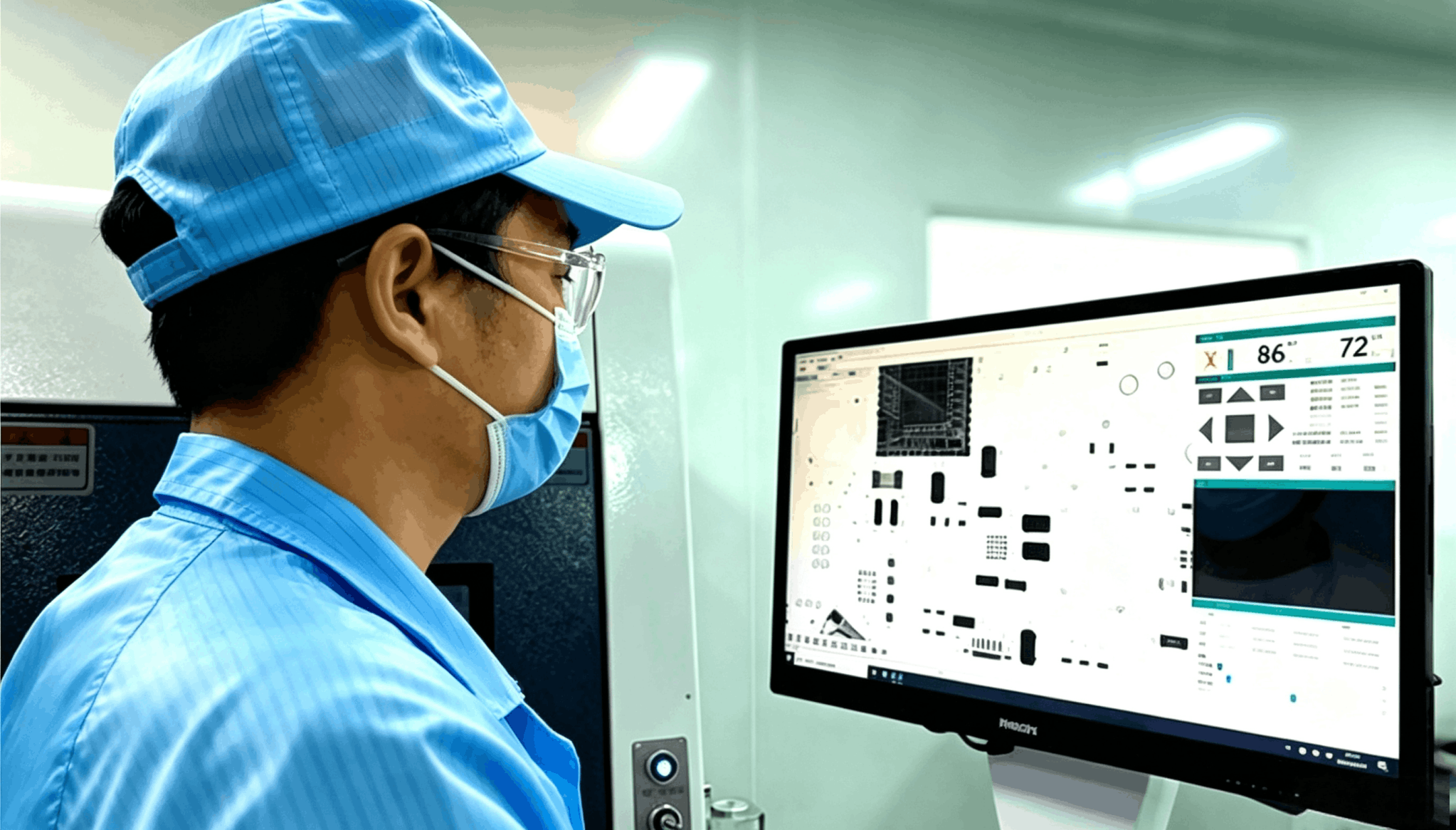
Voids, cracks, or misalignment in internal connections
Key Advantages:
✔ See Through Components – Inspects what AOI can’t.
✔ Critical for High-Reliability Products – Medical, automotive, aerospace.
Best for: Complex assemblies with concealed solder joints.
Automated Optical Inspection (AOI) – High-Speed Defect Detection
What it checks:
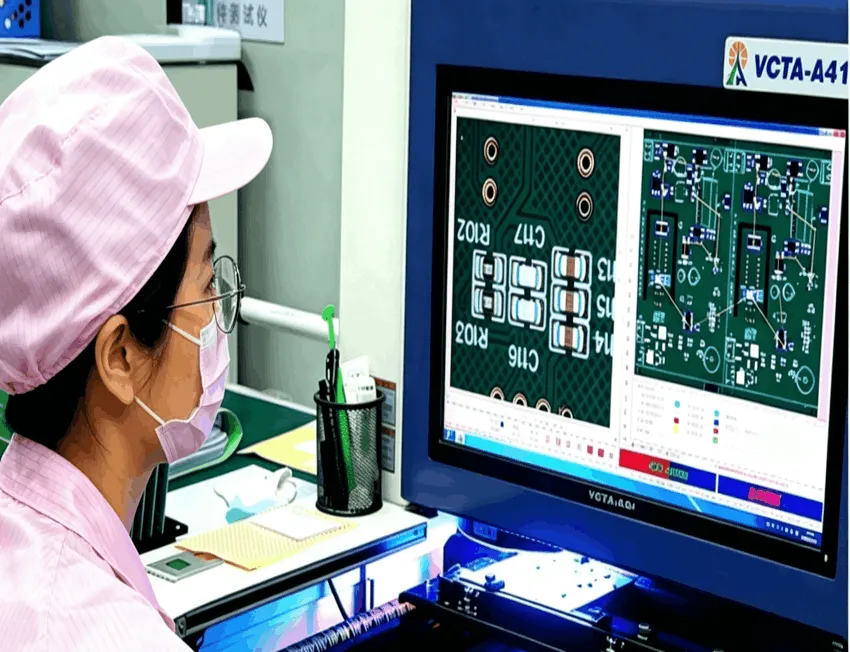
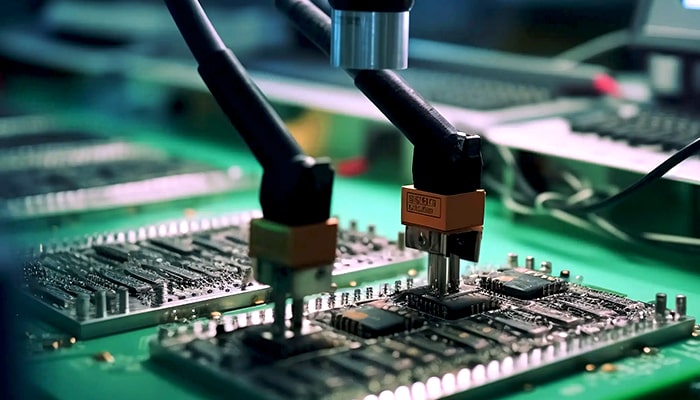
Tenpoint AOI automatic optical inspection machines are running for both prototype PCB and mass production. We 100% AOI tested PCBAs and scan the device under test for both failure (e.g. missing component) and quality defects.
Key Advantages:
✔ Non-Contact & Fast – Scans boards in seconds.
✔ Consistent & Repeatable – Eliminates human error.
✔ Works with Miniature Components – Detects defects in 01005-sized parts.
Best for: High-speed production lines (SMT assembly).
Environmental & Reliability Testing – Stress Testing for Durability
What it checks:
Temperature cycling (-40°C to +125°C)
Vibration, shock, humidity resistance
Long-term operational stability
Key Advantages:
✔ Simulates Harsh Conditions – Ensures survival in extreme environments.
✔ Reduces Field Failures – Critical for automotive, military, and medical devices.
Best for: Mission-critical applications requiring long-term reliability.
Why Our PCBA Testing Stands Out?
Result: Higher yield, lower failure rates, and dependable end products.
✔ Comprehensive Coverage – From electrical checks to real-world simulation.
✔ Advanced Equipment – High-precision ICT, AOI, X-Ray, and FCT systems.
✔ Industry Compliance – Meets IPC, ISO, and automotive standards.
✔ Faster Time-to-Market – Automated testing reduces delays.